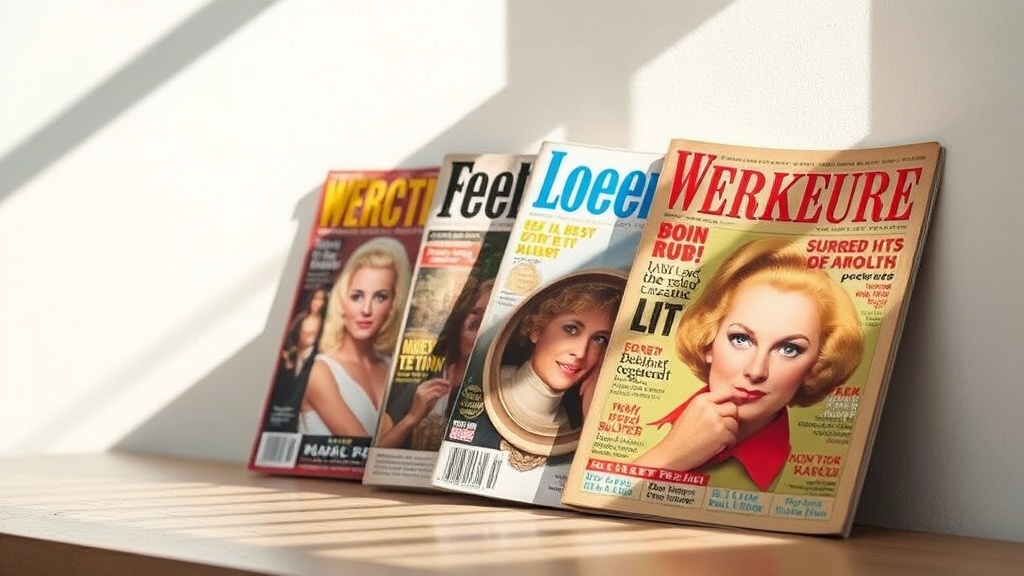
Protecting Vintage Magazine Covers from Sunlight Damage

This guide explains how to prevent light-induced degradation of vintage magazine covers by managing UV exposure, choosing appropriate display methods, and selecting the right archival-grade storage materials. Sunlight and artificial light are the primary enemies of paper-based collectibles, often causing irreversible fading of pigments and structural brittleness in the paper fibers.
How Does Sunlight Damage Vintage Magazine Covers?
Sunlight damages vintage magazines through ultraviolet (UV) radiation, which breaks down the chemical bonds in both the ink and the paper fibers. This process, often called photodegradation, results in the "faded" look many collectors dread—where vibrant 1950s Technicolor covers turn into dull, washed-out versions of themselves. It isn't just about the colors; the light actually weakens the cellulose in the paper, making the covers brittle and prone to crumbling.
There are two main types of light damage to watch for:
- UV Damage: High-energy ultraviolet rays that cause rapid color loss and structural breakdown.
- Visible Light Damage: Even without UV, long-term exposure to bright light can cause "yellowing" and gradual fading of pigments.
If you've ever seen a vintage Life or Vogue magazine that looks sun-bleached on one side, you've seen light damage in action. It's a slow process, but once the pigments are gone, you can't get them back. It's permanent. (And trust me, a faded cover significantly lowers the resale value for any serious collector.)
The science of photodegradation shows that the more intense the light, the faster the damage occurs. This means a magazine sitting in a sunny window is in much more danger than one kept in a dimly lit room. Even indoor lighting—especially older fluorescent tubes—can emit UV rays that aren't ideal for your collection.
What Are the Best Ways to Display Vintage Magazines?
The best way to display vintage magazines is to use UV-filtering glass or acrylic and to keep them out of direct sunlight. If you want to show off a beautiful 1960s Mad Magazine cover, you need to prioritize protection over visibility. You can't have both perfect visibility and perfect protection if the light source is too strong.
If you are a serious collector, you might consider professional framing. Here are a few ways to handle displays:
- UV-Protective Acrylic: Brands like Optium Museum Acrylic offer high-end protection that filters out up to 99% of UV rays. It's more expensive than standard glass, but it's a lifesaver for high-value items.
- Shadow Boxes: These provide a bit of a buffer between the magazine and the glass, which can help if you're using a frame.
- LED Lighting: If you display your collection in a room with lights on, stick to LEDs. Unlike older incandescent or fluorescent bulbs, LEDs emit very little UV radiation.
I usually suggest that if a magazine is truly one-of-a-kind or exceptionally rare, it shouldn't be on a wall at all. Instead, keep it in a high-quality archival sleeve. If you've already learned about preserving glossy pages through proper storage techniques, you know that the environment matters just as much as the display method.
Don't just grab any cheap frame from a big-box store. Most standard glass offers almost zero protection against the rays that cause fading. It's a mistake I see far too often in the hobby. You think the glass is protecting the magazine, but the UV rays are passing right through it.
Display Method Comparison
| Method | UV Protection Level | Best For... |
|---|---|---|
| Standard Glass Frame | Low | Low-value items or temporary display |
| UV-Filtering Acrylic | High | High-value covers and long-term display |
| Archival Mylar Sleeves | Variable (Depends on environment) | Rotating collections and storage |
| Shadow Box | Medium | Adding depth and protecting from dust |
How Can You Prevent Fading in Storage?
Preventing fading in storage requires controlling both light exposure and the overall storage environment. Even when magazines aren't on display, they are still susceptible to light if they are kept in translucent containers or near windows. The goal is to create a dark, stable environment for your archives.
A common mistake is storing magazines in clear plastic bins. While this protects them from dust and moisture, it does nothing to stop light damage if those bins are sitting on a shelf in a bright room. If you can see the magazine through the plastic, light can reach it. Use opaque storage boxes instead. A sturdy, acid-free box is your best friend here.
Here is a quick checklist for a safe storage setup:
- Use Opaque Bins: Avoid clear plastic. Solid-colored, acid-free-lined boxes are the gold standard.
- Avoid the Attic or Basement: These areas have extreme temperature swings. While light isn't the only issue, the heat and humidity in these spots can accelerate the chemical breakdown caused by light.
- Check Your Windows: If your storage area has a window, ensure it has UV-blocking film or heavy curtains.
- Digital Backups: For your most precious covers, take high-resolution photos. This way, you can enjoy the visual beauty of the magazine on a screen without ever touching the physical item.
The Library of Congress provides extensive documentation on the preservation of paper-based materials. Their guidelines often highlight how environmental factors—including light—work together to destroy organic materials. It's a holistic problem, really. Light weakens the fibers, and then the heat or humidity finishes the job.
It's also worth noting that even "dark" storage isn't 100% safe if you're constantly pulling the magazine out to show people. Every time you expose it to the light, you're adding a tiny bit of "wear" to the pigments. It's a cumulative effect. One time won't kill it, but a thousand times will.
If you're using a bookshelf to store your collection, try to place the magazines toward the middle or back of the shelf. This creates a natural barrier against ambient light. It's a simple, free way to add a layer of protection to your inventory.
One thing to keep in mind: even "UV-protected" glass isn't a magic shield. It's a mitigation tool. No piece of glass or acrylic is perfect. If you're displaying a magazine in a room with a lot of natural light, the light is still going to be a factor. You have to be proactive about the room's lighting, not just the frame itself.
I've seen many collectors spend hundreds on a high-end frame only to hang it on a wall facing a south-facing window. That's essentially throwing your money away. If you're going to invest in UV-protective acrylic, make sure the placement of the frame is just as smart.
Ultimately, the way you treat your magazines determines how long they'll remain in "collector grade" condition. A little bit of foresight goes a long way. Whether you're displaying a single piece or a massive collection, respect the light. Your future self—and your collection's value—will thank you.
Steps
- 1
Evaluate Natural Light Exposure
- 2
Select UV-Protective Acrylic Frames
- 3
Position Displays Away from Windows
- 4
Rotate Your Display Regularly