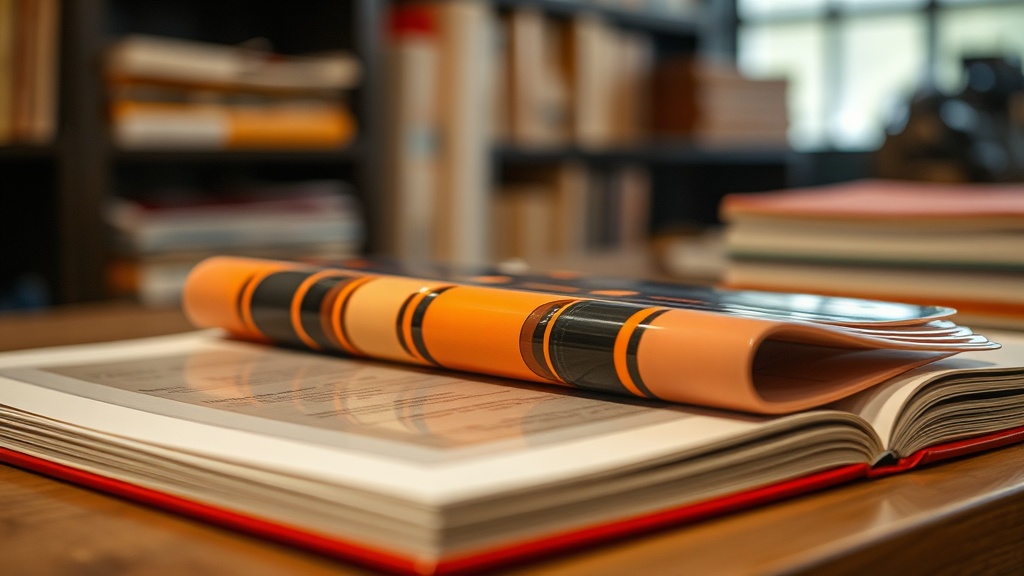
Preserving Glossy Pages Through Proper Storage Techniques

Paper is a biological material that begins to degrade the second it is printed. While we think of vintage magazines as permanent artifacts, the high acid content in mid-century newsprint means that without intervention, your collection is effectively a ticking clock of decay. This post examines the specific environmental variables that destroy paper and the physical storage methods required to slow down the process of oxidation and yellowing.
Most collectors don't realize that even a slight change in humidity can cause the fibers in a magazine to swell and contract, leading to warped covers and broken spines. We're talking about the difference between a pristine 1960s Vogue and one that looks like it was pulled from a damp basement. It's a matter of chemistry as much as it is care.
How Does Humidity Affect Vintage Magazines?
High humidity levels cause paper fibers to absorb moisture, which leads to mold growth and structural warping. If you keep your collection in a basement or an attic, you're asking for trouble. Moisture is the enemy of the cellulose structure found in vintage publications.
When the air is too damp, you'll see "foxing"—those annoying little brown spots that appear on the edges of old pages. This is often caused by a reaction between fungal spores and iron or copper impurities in the paper. It's not just an aesthetic issue; it's a sign of active biological decay. On the flip side, air that is too dry can make the pages brittle and prone to cracking when you turn them. You want to aim for a stable environment, ideally between 35% and 50% relative humidity.
If you're serious about your collection, I suggest investing in a dedicated hygrometer to monitor your space. A digital hygrometer is a cheap way to ensure you aren't accidentally incubating a mold colony in your bookshelf. It's better to spend twenty dollars now than to lose a rare issue of Life later.
Here is a quick breakdown of the ideal environmental settings for paper-based collectibles:
| Variable | Ideal Range | The Danger Zone |
|---|---|---|
| Relative Humidity | 35% – 50% | Above 60% (Mold risk) |
| Temperature | 65°F – 70°F (18°C – 21°C) | Above 75°F (Accelerated acid decay) |
| Light Exposure | Minimal/UV Filtered | Direct Sunlight (Bleaching/Brittleness) |
What Is the Best Way to Store Magazines?
The best way to store vintage magazines is flat in acid-free, archival-grade sleeves or boxes.
Avoid the temptation to use standard plastic sleeves from a local office supply store. Most of those are made of PVC (polyvinyl chloride), which releases gases as it breaks down. These gases are highly acidic and will actually "cook" your magazine if they are trapped in a tight space. Instead, look for products that are labeled as "acid-free" and "lignin-free."
A few things to keep in mind for your storage routine:
- Use Mylar: Polyester film, often referred to by the brand name Mylar, is the gold standard for clear, archival protection. It doesn't off-gas like cheaper plastics.
- Avoid Wood: Don't store your magazines directly against raw wood surfaces. Wood is acidic and can transfer that acidity to your paper.
- Flat is Better: If you have a heavy volume of National Geographic, lay it flat. The weight of the paper itself can crush the binding if it's stored vertically for years.
- No Rubber Bands: Never, ever use rubber bands to hold a stack together. They perish, turn into a sticky mess, and the acid in the rubber will stain the covers.
I once saw a collector use a standard binder to keep a set of 1950s Mad Magazine issues together. The binder was too tight, and the pressure actually crushed the covers. It was a heartbreaking sight. Use a loose-leaf approach or wide archival boxes instead.
How Do I Protect Magazines from Light Damage?
Light, specifically Ultraviolet (UV) radiation, breaks down the chemical bonds in both the ink and the paper fibers. This leads to fading of the vibrant colors and the "browning" of the page edges. If you have a display shelf, it needs to be out of the sun's path.
Direct sunlight is a death sentence for a vintage collection. Even indirect UV rays can cause significant damage over a few years. If you want to display your magazines, use UV-protective glass or acrylic. Many collectors use UV-protective acrylic sheets in their display cases to mitigate this. It’s a small price to pay for keeping those 1940s color spreads looking bright.
It’s a common mistake to think that a "dark room" is enough. Even the light from a nearby window can cause uneven fading. If you have a shelf that gets hit by morning light, move your most valuable issues to a different room. The goal is consistency. A sudden change in light levels can be just as jarring for the material as a change in temperature.
When you're browsing through your collection, try to avoid using high-intensity LED or incandescent lights for long periods. If you must display them, keep the lighting low-wattage and away from the actual paper.
One thing to note: the more "glossy" the paper, the more susceptible it is to certain types of light damage. The coating on a high-gloss 1970s Rolling Stone is different from the matte paper of a 1920s publication, but both will suffer from UV exposure. The ink pigments themselves are often the first thing to go—watch for the "washed out" look that signals UV damage has already begun.
If you're ever unsure about the condition of a magazine you've just acquired, look at the spine and the edges under a magnifying glass. If the colors look dull or the paper feels "crunchy," it's likely already suffered from poor storage in the past. You can't undo that damage, but you can stop it from getting worse.
For those of us in Ottawa, we deal with extreme seasonal shifts. Our winters are dry and our summers can be quite humid. This means your storage solution can't just be a cardboard box in a closet. It needs to be a controlled environment. If you're storing your collection in a room that isn't climate-controlled, you're essentially gambling with your investment.
A final tip for the road: always wash your hands before handling your collection. The oils from your skin (even if they feel clean) can leave permanent marks on the paper. If you're handling a particularly rare or expensive issue, some collectors even prefer using lint-free cotton gloves. It might feel a bit dramatic, but it works.
Steps
- 1
Control Your Environment
- 2
Use Acid-Free Materials
- 3
Avoid Direct Sunlight
- 4
Organize for Airflow