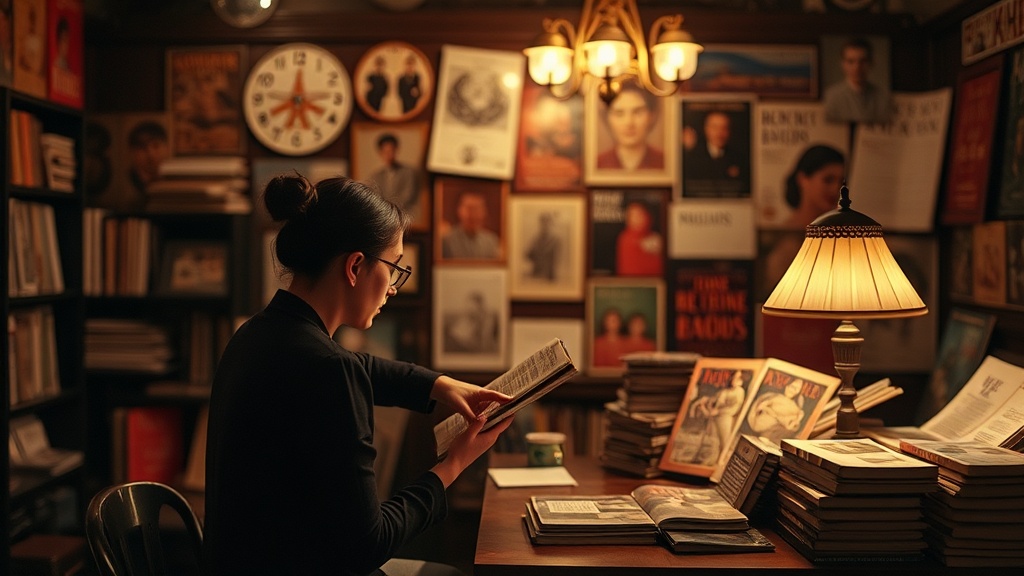
Reading the Past: Identifying Eras and Design Shifts in Vintage Magazines

Understanding the subtle—and sometimes not-so-subtle—design and content cues within vintage magazines can transform you from a casual browser into an informed collector or historian. This guide will walk you through the distinct characteristics that define different publishing eras, helping you accurately date and contextualize these fascinating artifacts. You’ll learn to recognize typographic trends, photographic innovations, and shifts in advertising that tell a story far beyond the articles themselves. It’s about appreciating the evolving art of print, seeing how cultural narratives were crafted, and understanding the visual language of bygone decades.
How did magazine design evolve through the decades?
Magazine design didn't just happen; it grew, stretched, and reinvented itself in response to societal shifts, technological leaps, and creative minds. When you pick up an early 20th-century publication, you’re likely holding something quite different from a mid-century glossy. The journey begins with heavily illustrated, text-dense pages and moves towards photography-dominated, highly structured layouts, eventually leading to the experimental aesthetics of the later 20th century.
The Illustrated Age (1900-1920s): Art & Storytelling
At the turn of the century, magazines were often paragons of illustration. Artists were rock stars, and their intricate line drawings or stunning duotones dominated covers and internal spreads. Think about the detailed work in early issues of Harper's Weekly or Ladies' Home Journal—they’re captivating. Typography tended to be formal, serif-heavy, reflecting a traditional approach to readability. Content often featured serialized fiction, poetry, and social commentary, serving as a primary source of both entertainment and information for a burgeoning middle class.
The Roaring Twenties & Depression Era (1920s-1930s): Glamour Meets Grit
The flapper era ushered in a new sense of style, and magazines followed suit. Art Deco influences began to appear in stylized graphics and geometric patterns, signaling a break from Victorian ornamentation. Photography started gaining prominence, though often shared space equally with illustration. Publications like Vanity Fair showcased glamorous portraits and sophisticated design, while others like The Saturday Evening Post blended rich illustration with popular stories. Even as the Great Depression hit, magazines adapted, offering both escapism and poignant photo essays.
Mid-Century Boom (1940s-1960s): The Golden Age of Layouts
This period arguably marks the zenith of magazine design. Post-war optimism and technological advancements, especially in printing and photography, propelled publications to new heights. Photojournalism became king, with magazines like Life and Look telling stories almost exclusively through powerful images. Layouts became cleaner, often employing bold, sans-serif headlines and sophisticated grid systems that made content easy to digest. Art directors like Alexey Brodovitch at Harper's Bazaar and Cipe Pineles (working across Glamour, Vogue, and Seventeen) pushed boundaries, turning magazine pages into canvases of modern art. Consumerism also rose, and advertising became an integrated, often beautifully designed, part of the reading experience. To dive deeper into this transformative era, I highly recommend consulting