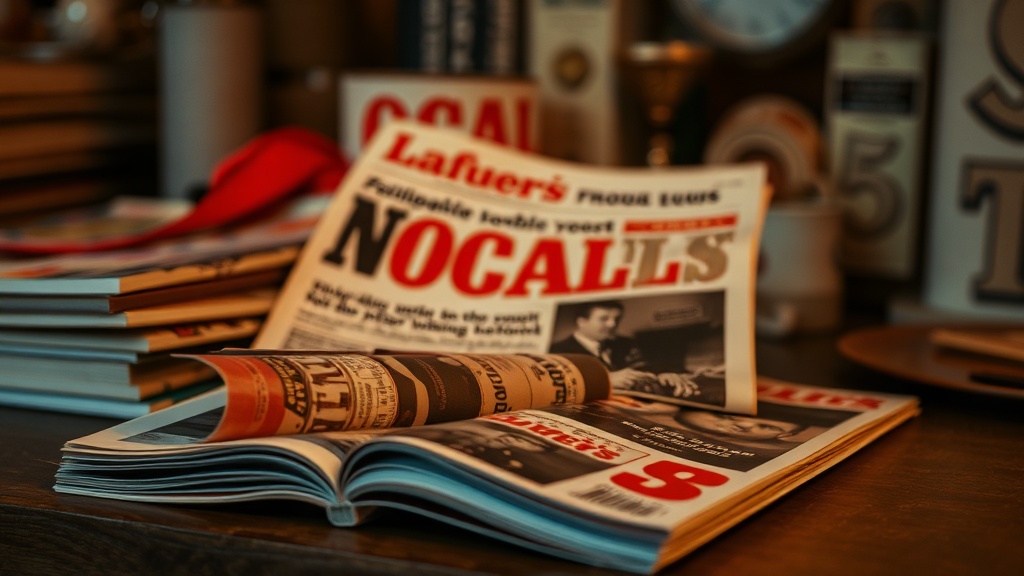
Maintaining Vintage Magazine Color and Paper Integrity

This guide covers the practical steps for preserving the color vibrancy and structural integrity of vintage paper periodicals. You'll learn how to manage light exposure, humidity levels, and chemical interactions that cause acidification. Proper maintenance ensures your collection doesn't turn brittle or fade into a monochromatic memory.
How do I stop vintage paper from turning yellow?
Yellowing—often called browning or foxing—is a chemical reaction. Most vintage magazines from the mid-20th century were printed on wood-pulp paper containing lignin. When lignin is exposed to light and oxygen, it creates an acidic byproduct that shifts the paper color toward yellow or brown. It's a natural part of aging, but you can slow it down.
The first step is controlling your environment. If you store your magazines in a basement or an attic, you're asking for trouble. Fluctuations in temperature and humidity act as catalysts for decay. Aim for a stable, cool environment. High humidity encourages mold growth (a nightmare for collectors), while low humidity makes the fibers brittle. A consistent temperature of around 65-70 degrees Fahrenheit is a safe bet for most home collections.
You should also consider the acidity of your storage materials. If you're using cardboard boxes or even some types of plastic sleeves, check if they are acid-free. Standard cardboard is highly acidic and will leach those qualities into your magazines. Look for products labeled as "archival grade" or "acid-free." This is a small investment that keeps your pages from becoming a crunchy mess over time.
Can I display vintage magazines without fading the ink?
Light is the enemy of color. Ultraviolet (UV) rays break down the chemical bonds in ink and paper, leading to the dreaded "sun-bleached" look. If you want to display a particularly striking 1960s fashion magazine, don't just hang it on the wall opposite a window. Even indirect sunlight can cause significant damage over a few years.
To protect your display pieces, use UV-protective glass or acrylic. If you're using a frame, ensure it has a UV filter. For those who prefer a more casual look, try rotating your displays. Instead of keeping one issue on the wall for a decade, swap it out every few months. This gives the paper a chance to rest in a dark environment. It's a simple way to keep your collection looking fresh without needing a museum-grade vault.
Avoid using standard-issue scotch tape or even "permanent" adhesives to hang or repair anything. The adhesives in common tape are a death sentence for vintage paper. They leave permanent stains and actually pull at the fibers when you try to remove them. If you must use a mounting method, stick to archival-safe clips or specialized museum putty that won't leave a residue.
Is it safe to clean dust off old magazine pages?
Dust isn't just an aesthetic issue; it's a physical one. Dust particles are often abrasive and can hold moisture, which leads to localized staining. However, you can't just grab a damp cloth and start wiping. Water and vintage paper are rarely friends. A wet cloth can lift ink or cause the paper to swell and warp.
The best way to clean your collection is with a soft, dry brush. A clean, natural-bristle paintbrush—the kind used for art or even a very soft makeup brush—works wonders. Use light, sweeping motions to remove surface dust. Avoid using any liquids or household cleaners. If you're dealing with heavy dust buildup, a specialized vacuum-based tool with a soft brush attachment (like those used for delicate electronics) might be safer, but only if used with extreme caution.
If you find a page that is particularly dirty, do not attempt to scrub it. Most collectors agree that a clean, slightly aged look is much better than a ruined, scrubbed-out page. If you're serious about long-term preservation, check out the resources at the Library of Congress for professional-level advice on handling fragile documents. They offer a wealth of knowledge on how to manage delicate paper-based materials without causing irreversible damage.
For those interested in the chemical side of things, the National Archives provides excellent documentation on acid-free materials. Understanding these technical aspects helps you make better decisions when buying storage solutions. Whether you're a casual collector or a serious archivist, these small habits make a massive difference in the longevity of your finds.
| Potential Issue | Primary Cause | Prevention Method |
|---|---|---|
| Yellowing | Lignin/Acid | Acid-free storage |
| Ink Fading | UV Light | UV-protected glass |
| Brittleness | Low Humidity | Controlled environment |
| Mold/Mildew | High Humidity | Dehumidifier usage |
Ultimately, maintaining a collection is a balance of visibility and protection. You want to see your pieces, but you also want them to survive the next fifty years. Treat your magazines with a bit of respect, watch the light, and keep the environment stable. It's the difference between a collection that survives and one that simply decays.