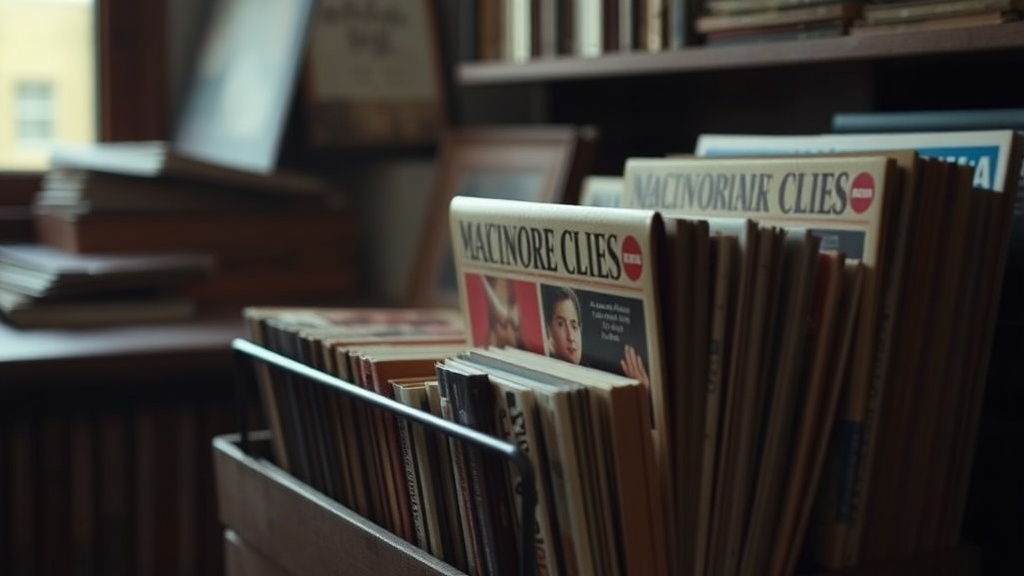
How to Properly Store and Preserve Your Vintage Magazine Collection

This post covers everything needed to protect vintage magazines from the silent enemies of paper—light, humidity, acid, and mishandling. Whether the collection spans five issues or five hundred, proper storage techniques can mean the difference between magazines that appreciate in value and those that crumble into dust. You'll learn about archival materials, environmental controls, handling procedures, and common mistakes that even experienced collectors make.
What's the Best Way to Store Vintage Magazines Long-Term?
The best way to store vintage magazines long-term is in acid-free archival bags or boxes, kept in a climate-controlled environment away from direct sunlight and fluctuating humidity. This approach protects against the three biggest threats: acid migration, moisture damage, and UV degradation.
Let's start with the basics. Most vintage magazines were printed on wood-pulp paper—that cheap, fragile stuff that yellows and becomes brittle over time. The lignin in this paper breaks down naturally, releasing acids that eat away at the fibers. (That's why a 1960s Life magazine feels crispy compared to the slick pages of today's publications.) Storing these magazines in standard plastic sleeves or cardboard boxes accelerates this decay.
Archival bags are the first line of defense. Look for polyethylene, polypropylene, or polyester (Mylar D) sleeves—never PVC, which releases harmful chemicals. BCW Supplies offers magazine-sized archival bags that run about $15-$20 per 100 pack. For high-value issues, rigid toploaders provide extra protection against bending and corner damage.
Storage boxes come next. Standard cardboard boxes—even the "archival" ones sold at office supply stores—often contain lignin and acids. Instead, invest in true archival boxes made from acid-free, buffered board. The Gaylord Archival magazine storage boxes are industry standards, designed to hold magazines upright without crushing spines. A standard box holds 15-20 average-sized magazines and costs around $12-$18.
Here's the thing about stacking—don't do it. Magazines stored flat with weight on top develop spine creases and stress the binding. Store them upright, like books, with enough support that they don't lean or slump. If the collection doesn't fill a box, use acid-free board as a bookend.
What Temperature and Humidity Protect Vintage Magazines?
Vintage magazines stay best preserved at temperatures between 65-70°F (18-21°C) with relative humidity at 35-45%. This range minimizes paper degradation, prevents mold growth, and stops pages from sticking together or becoming too dry and brittle.
Ottawa collectors face particular challenges—summer humidity spikes and bone-dry winter heating seasons both threaten collections. Basements seem logical for storage (cool, dark), but they're usually too damp. Attics are worse—temperature swings of 40°F or more between day and night cause paper expansion and contraction that weakens fibers over time.
The ideal location? An interior closet on the main living floor. Away from exterior walls, windows, and HVAC vents. The temperature stays more stable there. Worth noting: even perfect climate control can't save magazines stored in bad materials. A 70°F room with magazines in acidic boxes beats a 65°F room with the same setup—but barely.
For serious collectors, a hygrometer (humidity monitor) is non-negotatory. The ThermoPro TP50 costs around $10 and gives accurate readings. If humidity consistently runs above 50%, a small dehumidifier helps. Below 30%? Consider a humidifier in winter—dry air makes paper brittle and causes covers to crack.
Light damage is permanent and cumulative. Three months of direct sunlight can fade a Vogue cover beyond recognition. Even indirect daylight and fluorescent bulbs emit UV radiation that breaks down paper fibers. Store magazines in darkness, or use UV-filtering sleeves if display is necessary.
Common Environmental Threats to Watch For
- Silverfish — These pests love starch-based adhesives in old bindings. They leave ragged holes and yellow stains.
- Mold and mildew — Appears as foxing (brown spots) or fuzzy growth. Spreads quickly and permanently stains paper.
- Rodents — They'll nest in boxes and chew through covers. (The damage is always to the rarest issue, somehow.)
- Dust and pollutants — Urban air contains sulfur dioxide and other acids that accelerate paper decay.
Should You Clean or Repair Damaged Vintage Magazines?
Generally, no—leave cleaning and repair to professionals. Amateur restoration often destroys more value than it preserves, and certain "improvements" like tape repairs or surface cleaning can cause irreversible damage that drops a magazine's value by 50% or more.
The temptation is real. That 1953 first issue of TV Guide with Elvis on the cover arrives with a coffee ring on the margin. The instinct says "clean it"—resist. Home cleaning methods using water, solvents, or erasers damage paper fibers and remove surface sizing. Even "archival" document cleaning sponges (like the ones from University Products) require training to use safely.
That said, some minor interventions are acceptable. Surface dirt on a polyester sleeve—not the magazine itself—can be wiped with a dry microfiber cloth. Loose debris on covers can be gently brushed away with a soft, dry paintbrush. But anything involving moisture, pressure, or chemical application risks disaster.
Repairs follow the same rule: when in doubt, don't. Scotch tape, packing tape, and even "archival" tapes applied directly to paper yellow and stain over time. The adhesive migrates into the paper, leaving dark brown shadows that can't be removed. If a cover is detached, store it separately in the same sleeve rather than attempting reattachment.
Professional paper conservators can perform wonders—stabilizing torn pages, neutralizing acidity, and repairing bindings. The catch? It's expensive. Expect $75-$200+ per issue for significant restoration. For most collections, preventive care beats repair every time.
Safe vs. Unsafe Magazine Handling Practices
| Practice | Safe Approach | Unsafe Approach |
|---|---|---|
| Turning pages | Support the page from underneath; turn slowly | Flipping quickly; using fingers to "flick" pages |
| Reading | Use a book craddle or foam supports | Opening flat; bending spine backwards |
| Storage | Upright in archival boxes; no pressure on spines | Stacked flat; crammed tightly; rubber bands |
| Cleaning | Professional conservation only | Water, solvents, erasers, tape repairs |
| Display | UV-filtering frame; rotated regularly | Direct sunlight; permanent open display |
How Do You Organize a Large Magazine Collection?
Organization protects as much as storage materials do—constant searching and reshuffling causes wear. A well-organized collection stays untouched until needed, reducing handling damage and making it easier to spot environmental problems early.
Start with inventory. Every magazine gets logged: title, date, condition, purchase price, storage location. Software options range from simple spreadsheets to dedicated collection apps like Collectorz.com ($30-$100 depending on features). At minimum, record enough to locate any issue without digging through boxes.
Sorting methods vary by collection focus. A generalist might organize by decade, then title. A National Geographic completist likely sorts by year and month. Sports collectors often group by subject—baseball magazines together, football separate. The key is consistency. Mixed systems (some by date, some by topic) guarantee confusion.
Label everything. Acid-free labels on box exteriors, acid-free index cards inside listing contents. Pencil only—ink can leak through paper or fade unpredictably. For high-value items, consider photographing covers for digital reference, reducing the need to handle originals.
Insurance enters the picture once collections grow. Standard homeowner's policies rarely cover collectibles adequately. A rider or specialized collectibles policy from companies like Collectibles Insurance Services protects against fire, theft, and water damage. Document everything—photos, receipts, condition notes. Replacement value for vintage magazines often exceeds original purchase price by tenfold or more.
Finally, handle with care. Clean, dry hands are minimum. Cotton gloves (available from archival suppliers) prevent oil transfer for valuable issues. Always support the spine when removing magazines from boxes. Never force a stiff magazine open—warm it gradually in a controlled environment if pages stick.
Collections that survive decades do so through attention to these details. The magazines that fill estate sales in rough shape? Usually the ones stored in garages, basements, or attic trunks—exposed to light, heat, and moisture cycles that turn treasures into trash. Your collection deserves better.
Steps
- 1
Choose archival-quality storage materials like acid-free sleeves and boxes
- 2
Control temperature and humidity in your storage environment
- 3
Handle magazines properly and avoid damaging display methods